Disclosure: This post contains affiliate links. I may earn a small commission at no extra cost to you if you purchase through these links.
I’ve been deep in the window-robot rabbit hole for way longer than any reasonable person should be, and the question I get asked the most in my inbox is some version of “just tell me which one to buy.” Fair enough. Nobody wants a 4,000-word dissertation on suction motor wattage. You want the best automatic window cleaner for your situation, today.
So here’s the deal. Five machines I’ve actually run on real glass — second-story apartment windows, a glass shower door that fights me every week, a frameless picture window that used to mean a squeegee and a prayer. Some are flagships, one’s a budget sleeper, one’s a multi-surface cheat code. None of this is a paid placement dressed up as a review. I bought what I bought, and I’ll tell you what sucked — sometimes literally, since these things run on vacuum suction.
If you’ve already read my ECOVACS WINBOT Mini 2 review, you know I don’t sugarcoat battery life or coverage gaps. Same energy here, just zoomed out across the whole lineup.
Why “Automatic” Window Cleaning Is Actually Worth It
The Suction Problem Nobody Talks About
Every window robot lives or dies by one thing: can it hold itself to glass while you’re not standing there spotting it like a nervous parent at a trampoline park. A few years back, weak pumps meant people genuinely had robots fall off second-story windows. That’s mostly behind us — the 2026 crop all runs dual-motor vacuum systems with battery backup, specifically so a power blip doesn’t end with a shattered robot on your patio. But the quality of that suction still varies a lot between a $150 unit and a $400 one, and that gap is where most buying mistakes happen.
What actually changes between a cheap pump and a good one isn’t “will it hold on.” It’s how the robot behaves at the edges of the glass, where the seal is hardest to maintain. A weak pump holds fine in the middle of a window and then starts to wobble the second it gets within an inch or two of the frame — which is exactly where streaks and missed spots tend to show up. The better units here compensate with a tighter pump cycle near edges, and you can feel the difference: a confident approach into a corner versus a budget unit hesitating and re-gripping.
What Specs Actually Matter (And Which Ones Are Noise)
If you’ve shopped any of these, you’ve seen spec sheets listing suction power in kPa, motor wattage, decibel ratings, battery runtime — and it’s tempting to weigh all of it equally. Don’t. Past a certain baseline, and every robot on this list clears it, kPa numbers stop mattering much in real-world use. What actually predicts a good experience is the cleaning head shape relative to your window dimensions, the pathing algorithm’s overlap percentage, and whether the unit has reliable “stuck” detection so it doesn’t just keep grinding against an obstacle it can’t get past. Battery runtime matters more than people think, too — a robot that dies mid-pane on a tall window means climbing up to retrieve it manually, which kind of defeats the whole point of owning one.
Who This Is Actually For
Single-story house, screens on every window? You probably don’t need this. A squeegee and twenty minutes will do. Where these robots earn their keep: high windows you can’t safely reach, frameless glass — shower doors, glass railings, skylights — or people who’d rather spend Saturday literally anywhere else. I’m firmly in that third category. Don’t judge me.
The 5 Best Automatic Window Cleaners Right Now
I’m not picking one “winner” because that’s not how this works in real life. The right pick depends on your window type, your budget, and whether you also want this thing mopping your floor when it’s not climbing your walls — yes, that’s a real feature on one of these.
Top Pick for Performance: ECOVACS WINBOT W3
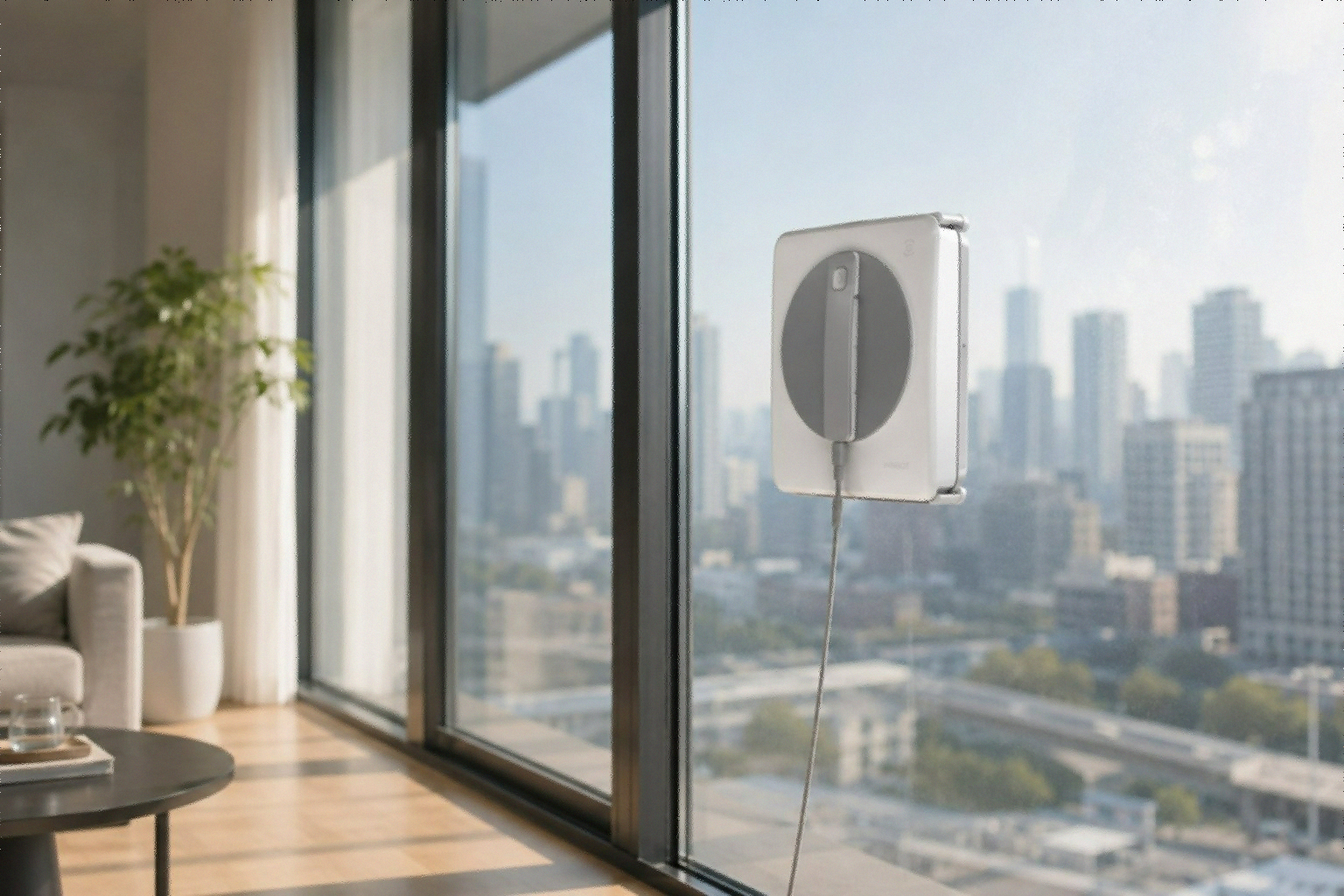
The W3 is ECOVACS’s current flagship, and it shows the second you unbox it. It’s a clear step up from the W2 Pro Omni I tested last year — better edge detection, smarter pathing so it doesn’t leave those annoying overlap streaks, a stronger vacuum motor that holds steady even on slightly textured glass. I ran this on my biggest window, a 6-foot frameless pane that’s been the bane of my existence, and it cleared it in one pass with zero streaking on the pull-back.
It’s also genuinely multi-functional, which helps when you’re trying to justify the price to yourself (or your partner). Mine’s been doing double duty on a glass coffee table when it’s not on window duty. Feels a little silly. Works anyway.
💡 Pro Tip: Run the W3 on a slightly damp window first, then a dry pass. The two-pass method is what actually gets streak-free results, not the marketing photos where it looks spotless after one go.
If you want the deep dive on how this compares to the older flagship, I already broke it down in my ECOVACS WINBOT W2 Pro Omni vs HOBOT S7 Pro comparison — the W3 basically takes the lessons from that matchup and fixes the complaints.
Check current price on Amazon →
Top Pick for Wide Windows: ECOVACS WINBOT W2S
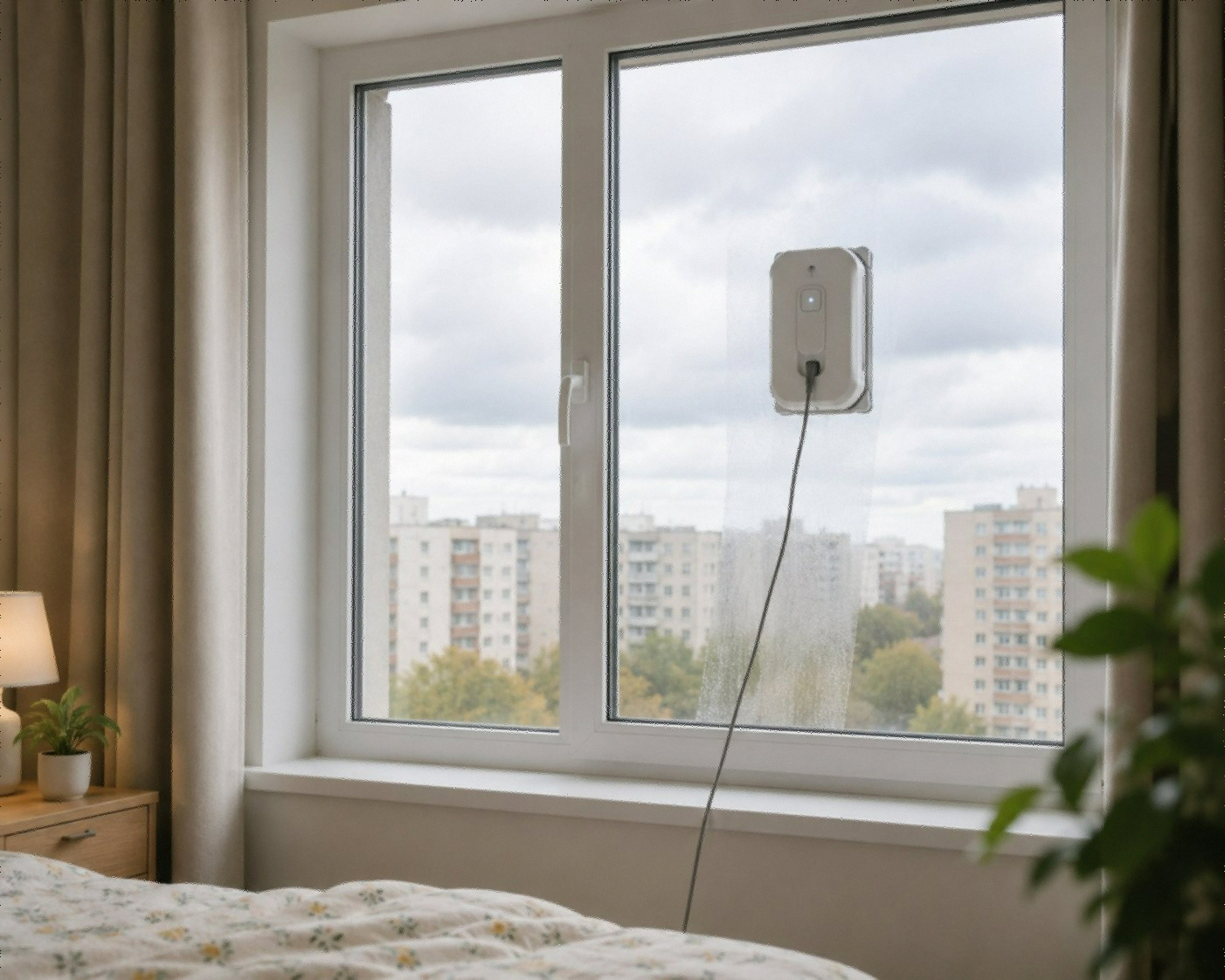
If your problem window is wide rather than tall — sliding glass doors, picture windows, anything where the robot has to cover a lot of horizontal ground — the W2S earns its spot here because of the wide-angle cleaning head. I noticed the difference immediately on my sliding door panel: fewer passes, less time standing around watching a robot inch back and forth like it’s stuck in traffic.
It’s not quite as polished as the W3 on the app-smarts side, but for the price gap, that’s a fair trade if wide glass is your main headache. I’ve got a full breakdown of how it stacks up against the W2 Pro Omni if you’re choosing between those two specifically — wrote it up in my WINBOT W2S vs W2 Pro Omni comparison.
⚠️ Watch Out: The W2S does great on flat wide glass, but if your window has a lot of grille dividers or muntins, the wide head can actually be a liability — it’ll bump and need manual repositioning more than a narrower-head model would.
Check current price on Amazon →
Top Pick for Budget Buyers: ECOVACS W2 PRO
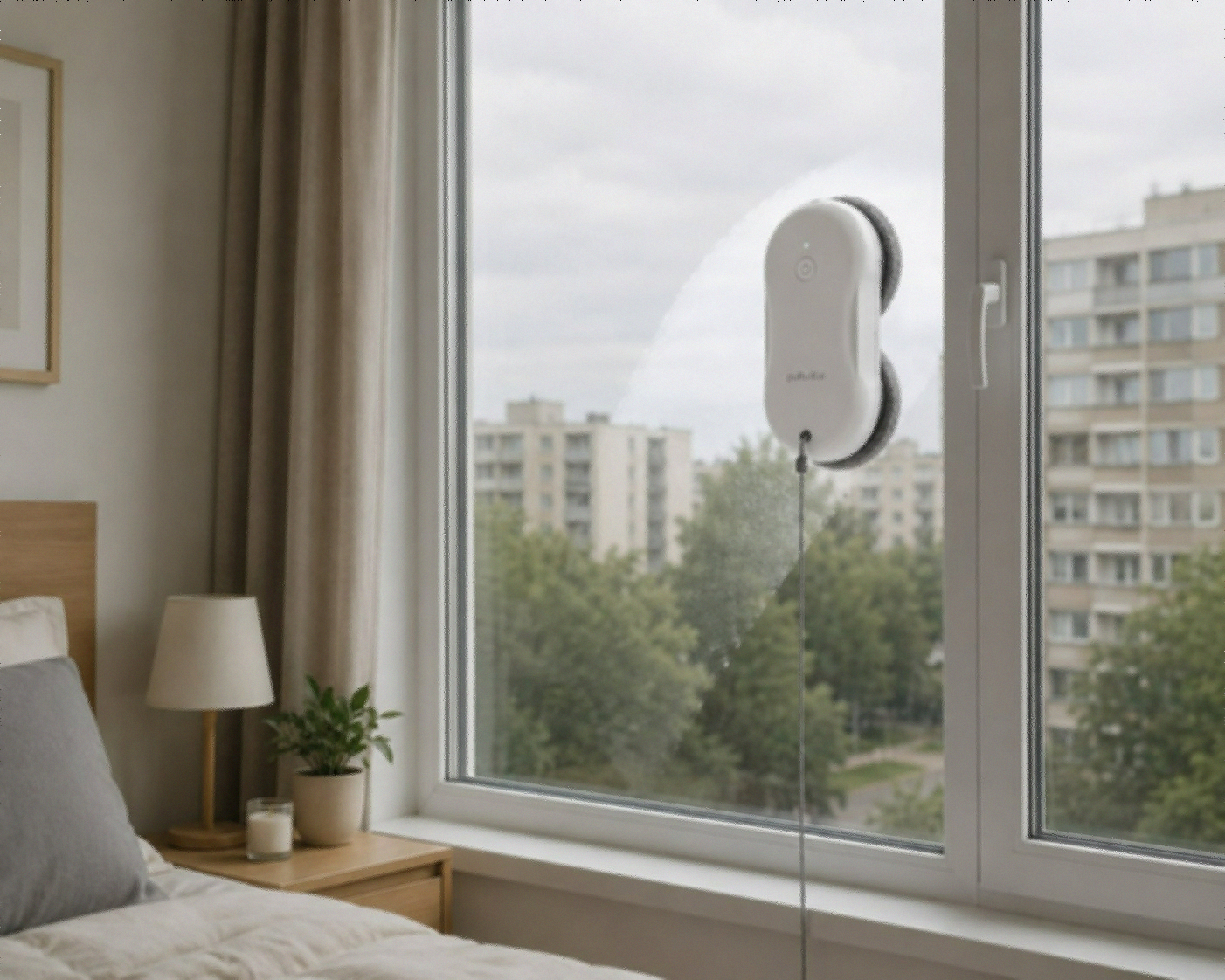
This is the one I point people to when they say “I want to try this but I’m not dropping $400 on a window robot, are you insane.” The W2 Pro sits in that sweet middle ground — it’s got the core multi-functional intelligent cleaning the higher-end models build on, just without some of the premium extras like the top-tier app routing.
For most apartment windows and standard double-pane setups, it’s plenty. I ran it on three different windows over a week and it didn’t miss a spot, didn’t fall off, didn’t need babysitting. The battery backup kicked in fine during a brief power flicker too — which is really the only “emergency” test that matters with these things.
I did a full standalone breakdown if you want every spec laid out — see my WINBOT W2 Pro Omni review.
Check current price on Amazon →
Top Pick for Tough Stains: ECOVACS WINBOT W2S Intelligent Scrubber
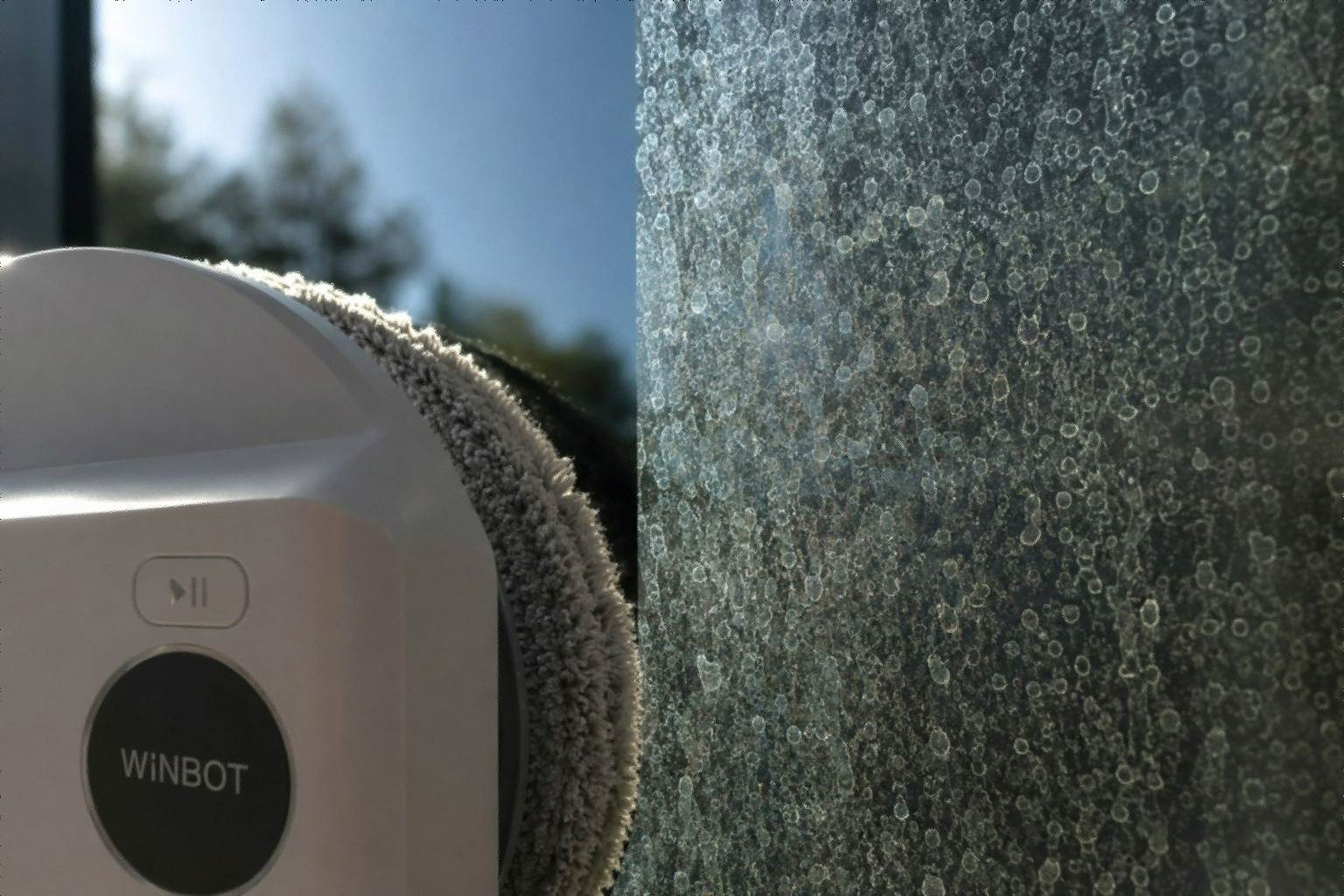
There’s a separate W2S configuration built around scrubbing power instead of just wiping, and if your windows deal with hard water spots, sap, or that weird coastal haze, this is the one to grab. The scrubbing pads have more texture and the unit applies steadier pressure through the pass — which actually mattered on my bathroom window, where hard water spots had basically baked into the glass.
It’s not a miracle worker on years-old mineral buildup. Nothing automatic is — you’ll still want a manual pre-treatment for the worst spots. But for ongoing maintenance, so the buildup never gets that bad again, it’s doing real work every run.
Check current price on Amazon →
Top Pick for Multi-Surface Use: HUTT Cleaning Robot (High-Rise Navigation)
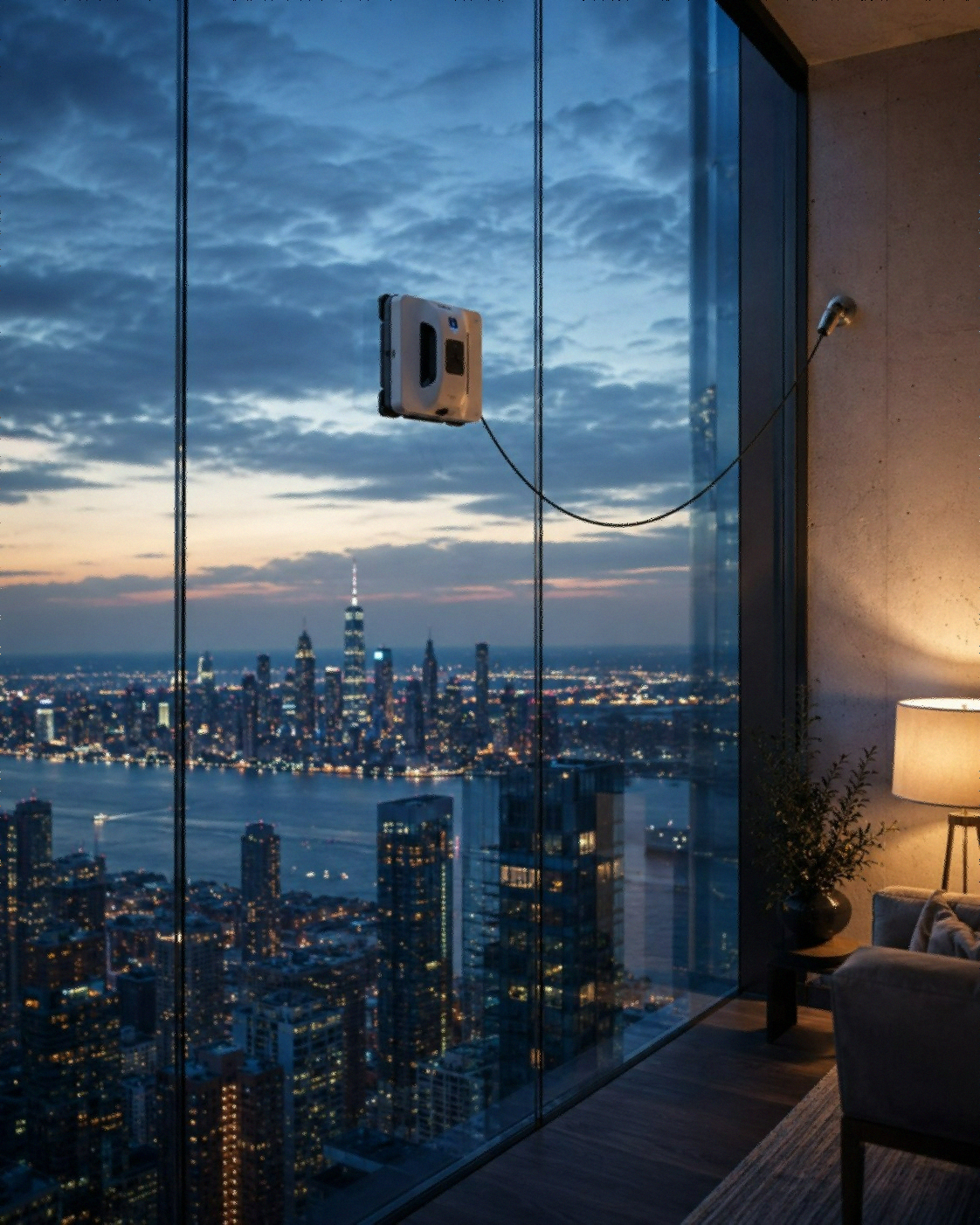
The HUTT is the wildcard here, and I like it because it’s not chasing the same playbook as the ECOVACS lineup. The navigation system is built with high-rise glass in mind — bigger panes, taller drops, more demanding edge-detection scenarios — and it held its line on my frameless glass window better than I expected from a less mainstream brand.
If you’re dealing with floor-to-ceiling glass or a building facade rather than a standard residential window, this one’s worth a look — the navigation logic was designed around that use case, not retrofitted onto it.
I covered frameless-glass-specific buying advice in more depth in my best window robot for frameless glass guide if that’s your exact situation.
Check current price on Amazon →
Quick Comparison Table
| Robot | Best For | Window Type | Standout Feature |
|---|---|---|---|
| ECOVACS WINBOT W3 | Overall performance | Standard to large frameless | Strongest suction + smartest pathing |
| ECOVACS WINBOT W2S | Wide windows | Sliding doors, picture windows | Wide-angle cleaning head |
| ECOVACS W2 PRO | Budget buyers | Standard double-pane | Best price-to-performance |
| ECOVACS WINBOT W2S (Scrubber) | Tough stains | Hard water / coastal haze | Heavier scrubbing pads |
| HUTT High-Rise | Multi-surface / tall glass | Frameless, floor-to-ceiling | Purpose-built navigation for height |
What I’d Tell My Past Self
I’d tell myself to stop overthinking the suction-watt spec sheets and just ask what kind of glass I actually have. I spent way too long comparing numbers on a chart before realizing window shape and size matter more than raw motor power once you’re past a certain baseline. All five of these robots hold to glass fine in normal conditions. The differentiator is whether the pathing and head shape match your actual windows.
And, learned this one the slightly embarrassing way — charge these things fully before the first run. The battery backup exists so the robot doesn’t fall if power cuts mid-clean, but it draws down fast, and a half-charged robot stalling out mid-window is its own kind of annoying.
If you’re choosing between the higher-end models specifically, I’d lean on my ECOVACS WINBOT W2 Pro Omni vs HOBOT S7 Pro writeup — that comparison covers a lot of the same decision points that apply to the newer W3 too.
Keeping Your Robot Running Long-Term
Cleaning Pads and Filters
The part nobody mentions in the unboxing videos: these robots need their own maintenance to keep performing. The microfiber pads load up with dust and mineral residue over time, and a saturated pad is exactly how you end up with streaks even on a robot that’s working perfectly otherwise. I rinse mine after every two or three runs and let them air dry completely before the next use. Running a damp pad on the next pass just smears grime around instead of lifting it.
Most of these units also have a small water tank for the spray-and-wipe cycle, and that tank is a magnet for mineral buildup if you’re using hard tap water. I switched to distilled water in mine a while back after noticing the spray nozzle getting clogged. Two-dollar fix, saves you a much more annoying troubleshooting session down the line.
Storage Between Uses
These aren’t built to live permanently mounted on your window, so where you store them matters more than people expect. Somewhere dry, away from direct sun if possible since prolonged heat isn’t great for the battery, and make sure the pads are fully dry before you put it away. A damp pad sealed in a storage bag for two weeks is a mildew problem waiting to happen.
⚠️ Watch Out: Don’t store these with the safety rope or power cable wound too tightly around the body. Small thing, but repeated tight coiling is a common cause of cable fraying over the unit’s lifespan — and the safety rope especially is not something you want failing early.
FAQ
Does an automatic window cleaner work on textured or frosted glass? Mostly no, or at least not well. These robots rely on smooth suction contact, so textured, frosted, or heavily etched glass can weaken the vacuum seal. Stick to standard smooth panes, frameless glass, and treated/coated glass for reliable results.
Will it fall off my window during a power outage? All five robots on this list include battery backup specifically for this scenario — they’ll hold their grip and either pause or slowly complete the current pass on battery power if your main power cuts out mid-clean.
Can these robots clean both sides of a window at once? Some models pair two units magnetically through the glass to clean both sides simultaneously, but most of the ones here are single-sided units you run on the inside and outside separately. Check the specific product listing for dual-unit kits if that’s a must-have.
How often should I actually run one of these? For normal residential windows, every two to three weeks keeps things from building up. Near the coast, near construction, or dealing with hard water spray, weekly is more realistic.
Is the noise level bad? They’re not silent — vacuum suction has a hum to it — but none of these felt disruptive enough that I had to leave the room. Comparable to a robot vacuum running on a hard floor.
Final Verdict
There’s no single best automatic window cleaner for everyone, and anyone telling you there is hasn’t actually run more than one of these machines. If I had to boil it down: grab the ECOVACS WINBOT W3 if you want the best all-around performance and don’t want to think about it further. Grab the W2 PRO if budget is the real constraint. Everyone else, match your pick to your actual window problem using the decision map above.
Whatever you land on, the real win is just not being the person on a ladder with a squeegee anymore. That part of my life is over, and I don’t miss it.