Many homeowners purchase a window cleaning robot only to notice a decrease in suction power, streaky glass, or frequent operational jams after a few months of use. In most cases, these issues stem from improper daily maintenance rather than mechanical failure.
Having used the ECOVACS WINBOT W3 Omni Robot Window Cleaner for over six months, I have moved from basic mop washing and battery charging to mastering key maintenance routines. Today, the machine operates as effectively as the day it was unboxed—maintaining strong adhesion and leaving streak-free windows.
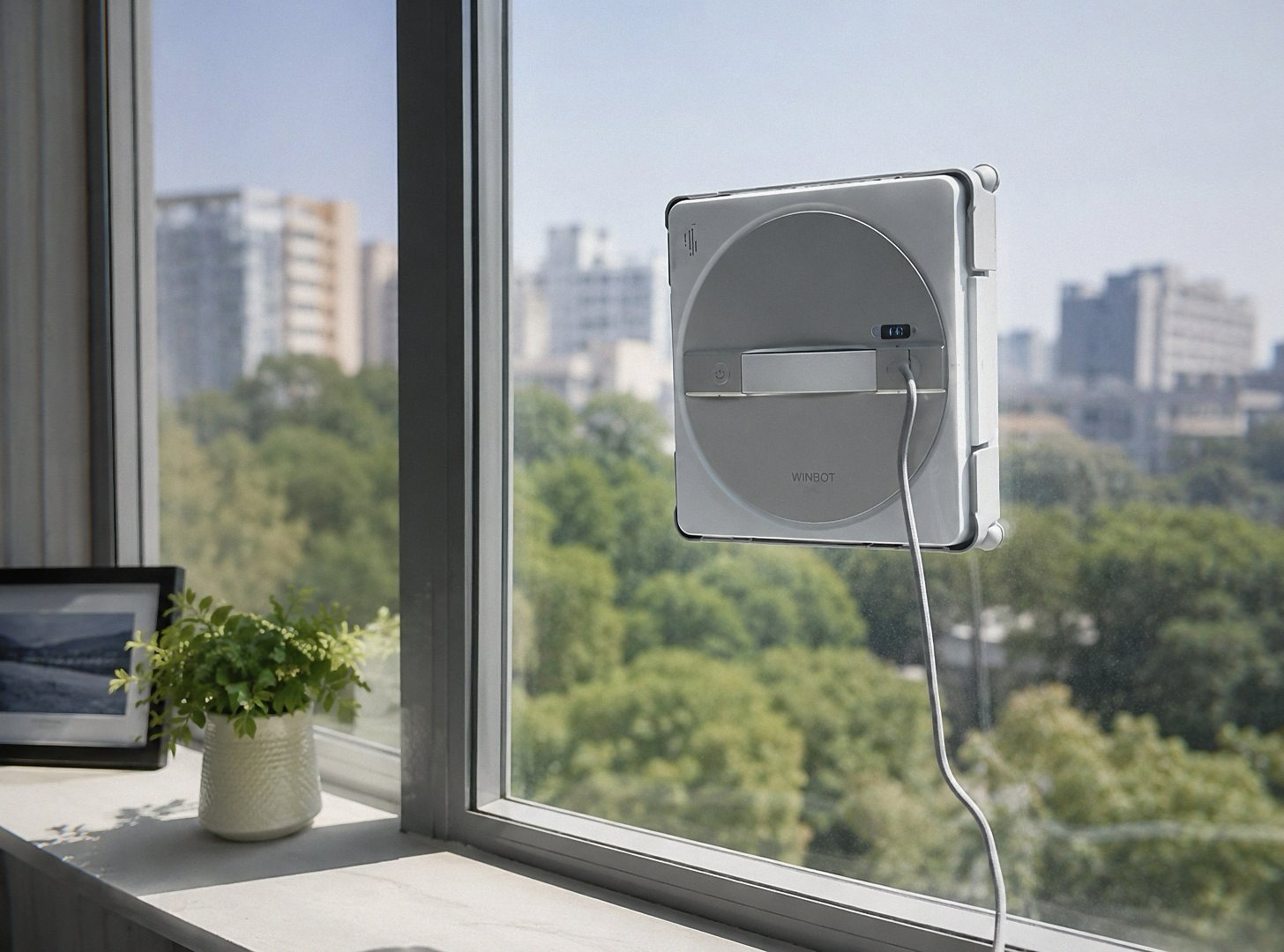
Proper maintenance goes beyond washing microfiber pads. Caring for core components such as the suction mechanism, sensors, and water pathways is crucial to extending your robot’s service life.
1. Suction & Track Maintenance: Protecting Adhesion and Drive
A common area of neglect is the drive track and suction surface under the device. The ECOVACS WINBOT W3 Omni utilizes an advanced driving system and powerful suction mechanisms to navigate glass surfaces.
- Clean After Every Session: Wipe the drive tracks and suction contact surfaces with a dry, lint-free cloth after each cleaning session to remove accumulated dust, grit, or glass particles.
- Prevent Slippage: Debris left on the tracks can scratch wiping pads or cause slippage during vertical climbs. Keeping contact areas clean ensures stable movement on high-rise exterior windows.
- Inspect Seals: Regularly check the silicone seals around the perimeter for cracks or wear to maintain proper negative pressure vacuum stability.
2. Sensor Cleaning: Ensuring Accurate Edge Detection and Safety
Anti-drop and obstacle detection sensors prevent the robot from colliding with window frames or losing adhesion at glass borders.
- Prevent Dust Buildup: Dust and water spots on the sensor lenses can cause the navigation system to misinterpret window edges or frames.
- Routine Wiping: Gently wipe the multi-sensor array located around the chassis with a dry microfiber cloth after every use.
- Reliable Navigation: Powered by WIN-SLAM 5.0 Smart Navigation and TruEdge Scrubber Technology, keeping the sensors clear allows the robot to clean close to edges with 1 mm-precision obstacle avoidance without getting stuck in frame grooves.
3. Water Tank & Spray System: Preventing Nozzle Clogging
Water scale and mineral deposits are the primary causes of spray nozzle blockages in robotic window washers.
- Empty Excess Water: Drain remaining water or cleaning solution from the reservoir after each cleaning cycle.
- Rinse the System: Flush the water pathway periodically with clean or distilled water to prevent scale accumulation.
- Care for Spray Nozzles: The Triple-Nozzle Wide-Angle Spray System delivers fine water pressure across large glass panels. Gently clean the nozzle tips with a soft cotton swab to prevent mineral buildup and ensure an even spray pattern without leaving water streaks.
4. Mopping Pad Maintenance: Utilizing the OMNI Station
Proper care of wiping pads directly affects cleaning performance and prevents lint streaks on glass.
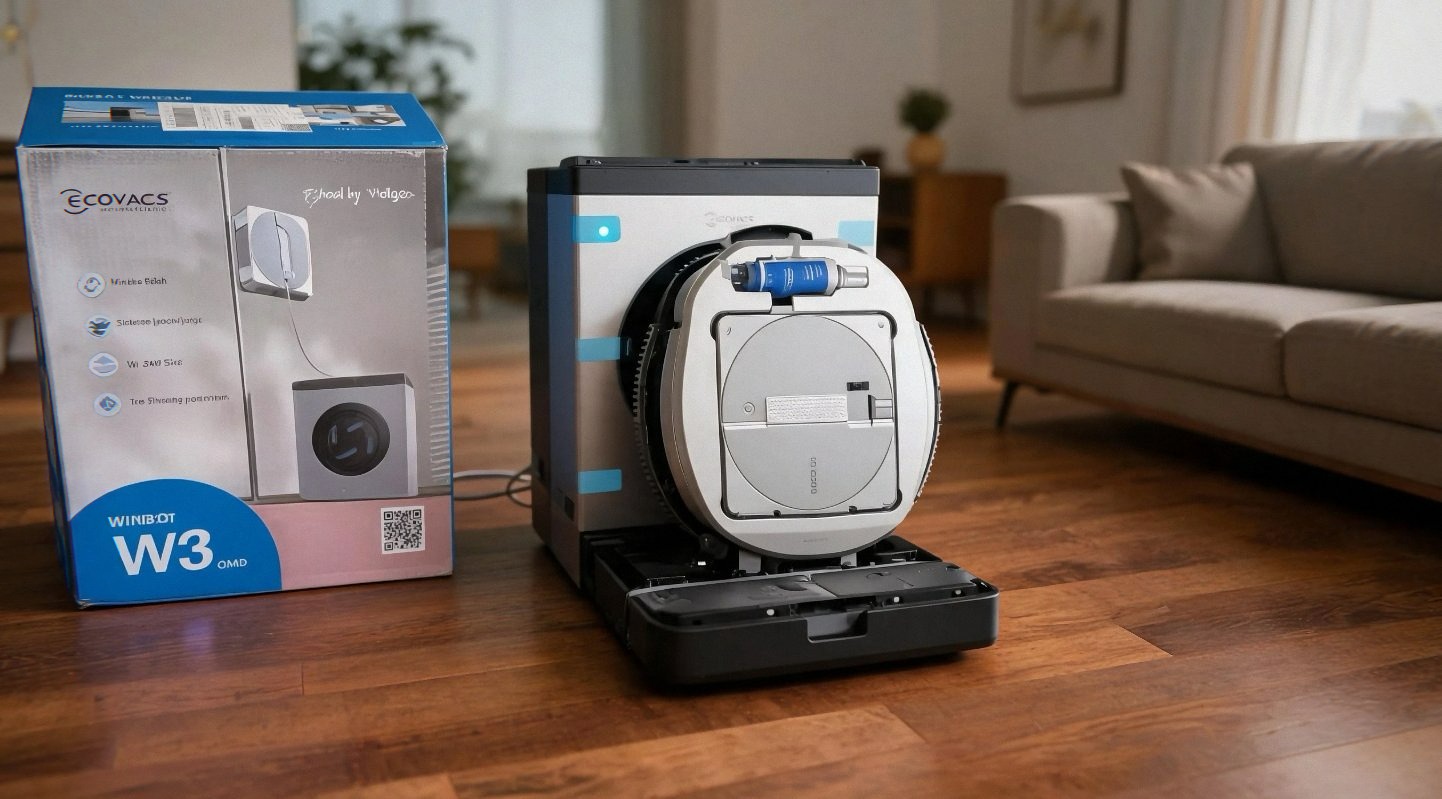
- Leverage the Auto-Clean Station: The ECOVACS WINBOT W3 Omni features a 7-in-1 OMNI Multi-Functional Station with Vortex Wash Technology. Its 16 high-pressure nozzles automatically wash the wiping pads in just 1 minute, eliminating the need for manual scrubbing.
- Hand Washing Tips: When hand-cleaning spare pads, use warm water with a mild, neutral detergent. Avoid harsh alkaline soaps or stiff brushes that can break down microfiber structures.
- Air Drying: Always allow mopping pads to dry completely before storage or reinstalling to prevent mold growth and unpleasant odors.
5. Battery and Storage Guidelines
Batteries require care during long-term storage or between cleaning cycles to preserve capacity.
- Recharge After Use: Avoid storing the device with a depleted battery. Charge the internal battery fully after completing window cleaning sessions.
- Long-Term Storage: If storing the robot for an extended period, charge the battery to approximately 50%, clean the unit thoroughly, and store it in a cool, dry place.
- Safety Protections: The WINBOT W3 Omni includes a 12-tier safety protection system and built-in backup power protection that maintains suction on glass during unexpected power outages, providing peace of mind during high-rise window cleaning.
Conclusion: Choosing the Right Hardware Lowers Maintenance Effort
Proper maintenance is not complicated—it relies on prompt cleaning and periodic inspection of key components like suction seals, sensors, and water pathways.
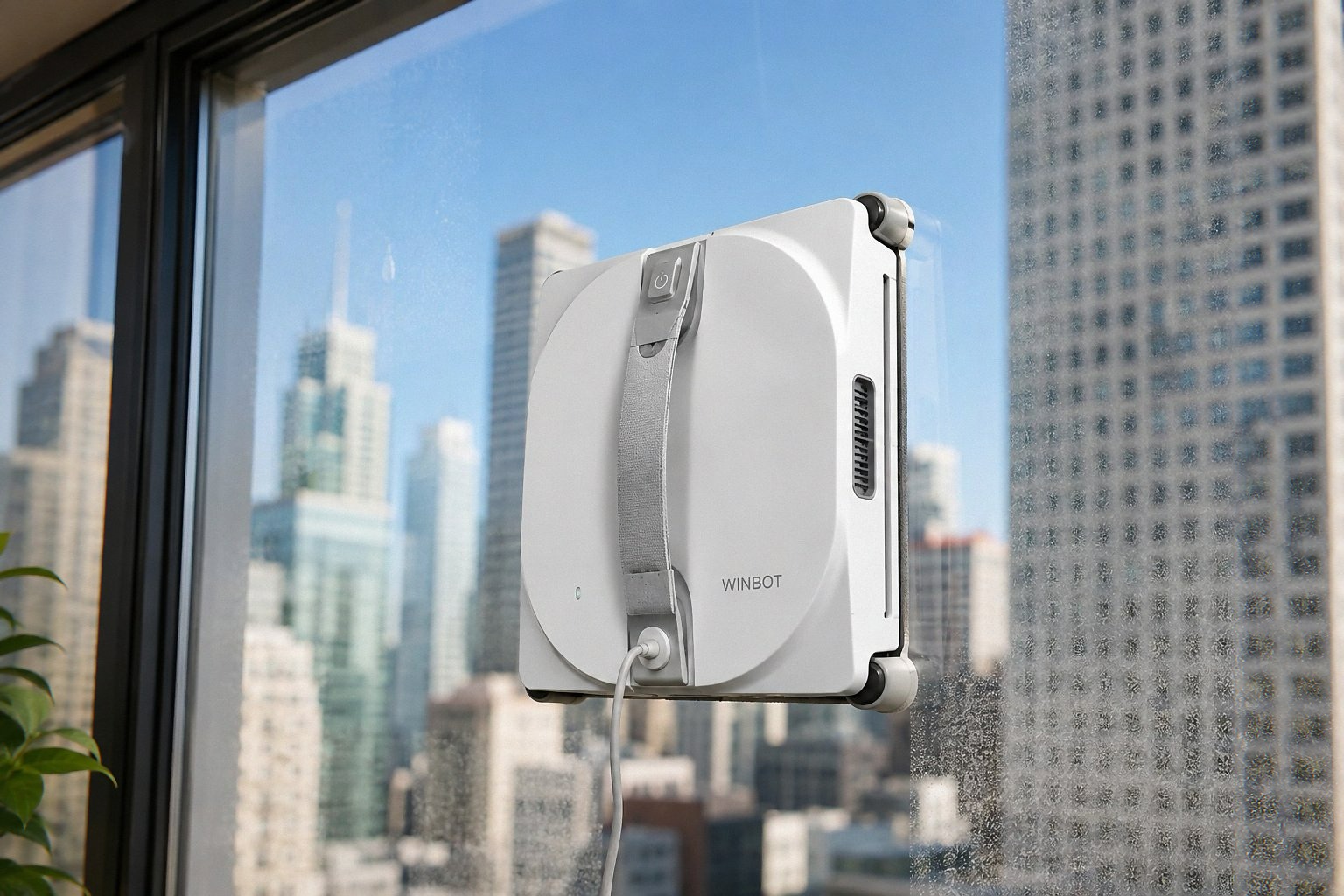
Choosing a well-engineered model simplifies maintenance significantly. The ECOVACS WINBOT W3 Omni minimizes routine maintenance with its self-cleaning station, TruEdge scrubber, and WIN-SLAM 5.0 navigation. Following these simple maintenance practices will ensure your robotic window cleaner delivers spotless views for years to come.
If you are looking to invest in the best window cleaning robot 2026 or upgrade your existing device, choosing a well-engineered model simplifies maintenance significantly.