So here’s the deal. I bought the SCHBOT Wind X3 back in November after my third attempt at squeegeeing the bay windows in my converted Sprinter ended with me hanging halfway out of the side door, soap dripping down my arm, and my dog Murphy giving me a look that clearly said you absolute idiot. Six months and roughly 80 cleaning cycles later, I have thoughts. A lot of thoughts. Some of them good. Some of them frustrated. All of them honest.
This isn’t one of those affiliate-bait reviews where everything is “amazing” and “life-changing.” I paid for this thing with money I earned writing freelance articles between Forest Service campgrounds, and if it had been junk I’d be telling you that. It’s not junk. But it’s also not the magical glass-cleaning fairy the Amazon listing makes it out to be.
Let me walk you through what actually happens when you stick a 2-pound robot on a window and press the button.
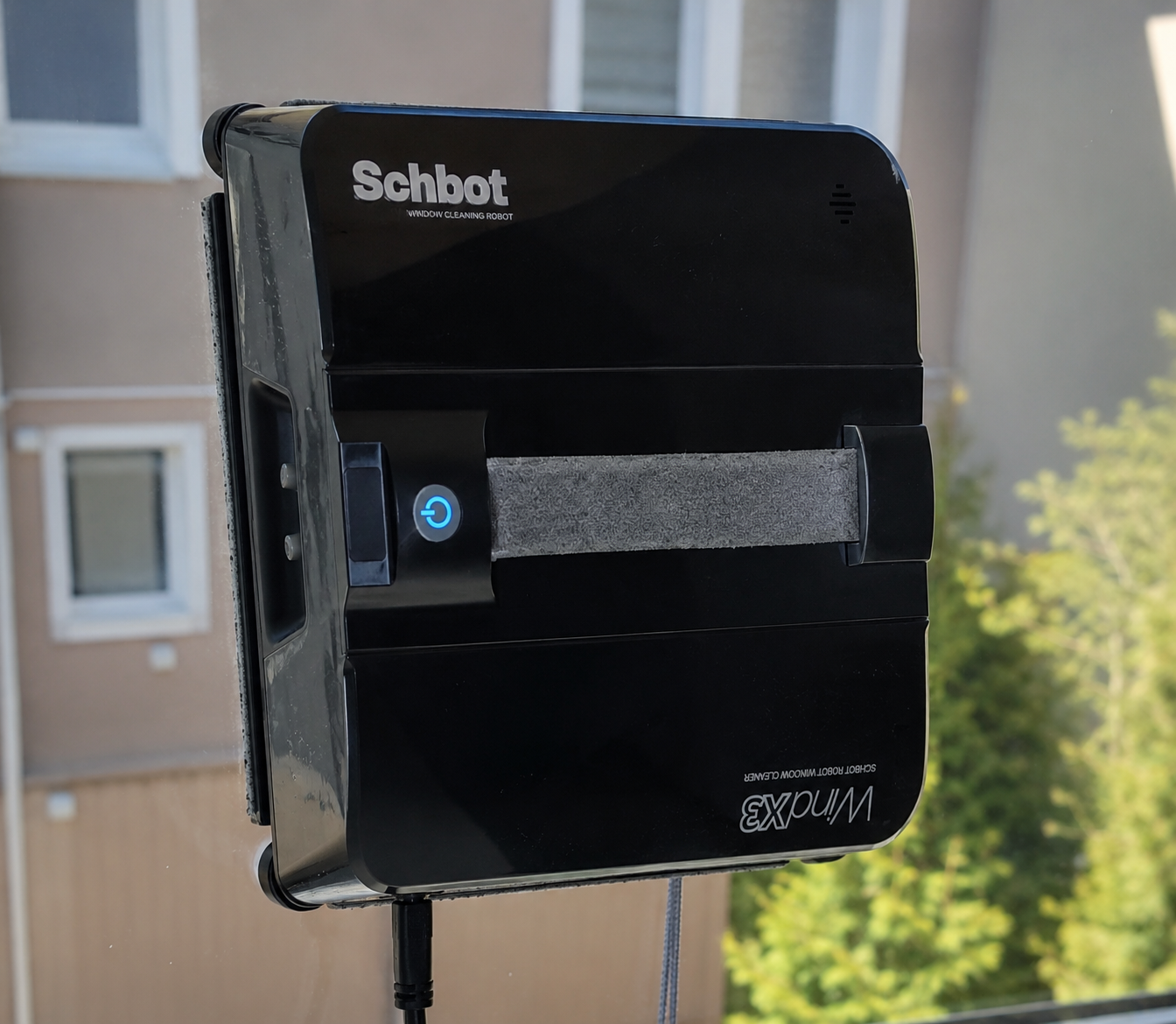
Table of Contents
Open Table of Contents
- Why I Even Considered a Window Cleaning Robot
- What’s Actually in the Box
- The 8-Stage Safety System: Does It Actually Work?
- How the Three Cleaning Modes Actually Differ
- Real Performance: The Stuff Amazon Won’t Tell You
- Comparison: Where the Wind X3 Sits in the Market
- What Annoys Me About This Robot
- Setup and First-Use Tips Nobody Mentions
- Should You Actually Buy This?
- Long-Term Durability After Six Months
- A Few Questions People Actually Ask
- Internal and External Resources Worth Checking
Why I Even Considered a Window Cleaning Robot
Quick context: I’ve been full-time in a van for going on four years now. Started in a beat-up Promaster, upgraded to a Sprinter 144 last summer. The new build has these gorgeous panoramic side windows that the previous owner installed, and they look incredible until you actually try to keep them clean. Highway grime, bug splatter, dust from forest roads, salt spray when I’m parked near the coast — windows in a moving home get filthy in ways stationary windows never do.
I tried everything. Microfiber cloths. Windex. That Hope’s Perfect Glass stuff every YouTube van builder swears by. Squeegees with extension poles. A magnetic two-sided window cleaner that immediately fell off and shattered on my driveway.
The thing nobody tells you about van windows is that the angles are weird. They’re rarely flat, the frames are often non-standard, and you can’t always reach the outside from a ladder because the van’s parked on uneven ground or you’re boondocking somewhere with no level surface for ten feet in any direction.
So when I started seeing window cleaning robots in my YouTube feed, I got curious. Skeptical, but curious. The SCHBOT Wind X3 kept coming up because of its automatic spray system and the fact that it allegedly handles frameless glass — which is what 70% of my van’s windows are.
You can check the current price on Amazon here: SCHBOT Wind X3 on Amazon
(Yeah, that’s an affiliate link. If you buy through it I get like three bucks. Doesn’t change my opinion. Disclosure at the bottom too.)
What’s Actually in the Box
Unpacking was straightforward. The robot itself, a power cable with a remote-control attachment, a safety tether (more on this in a minute because this matters), a small bottle of cleaning solution, a couple of microfiber pads, and the manual which I read approximately none of before plugging the thing in.
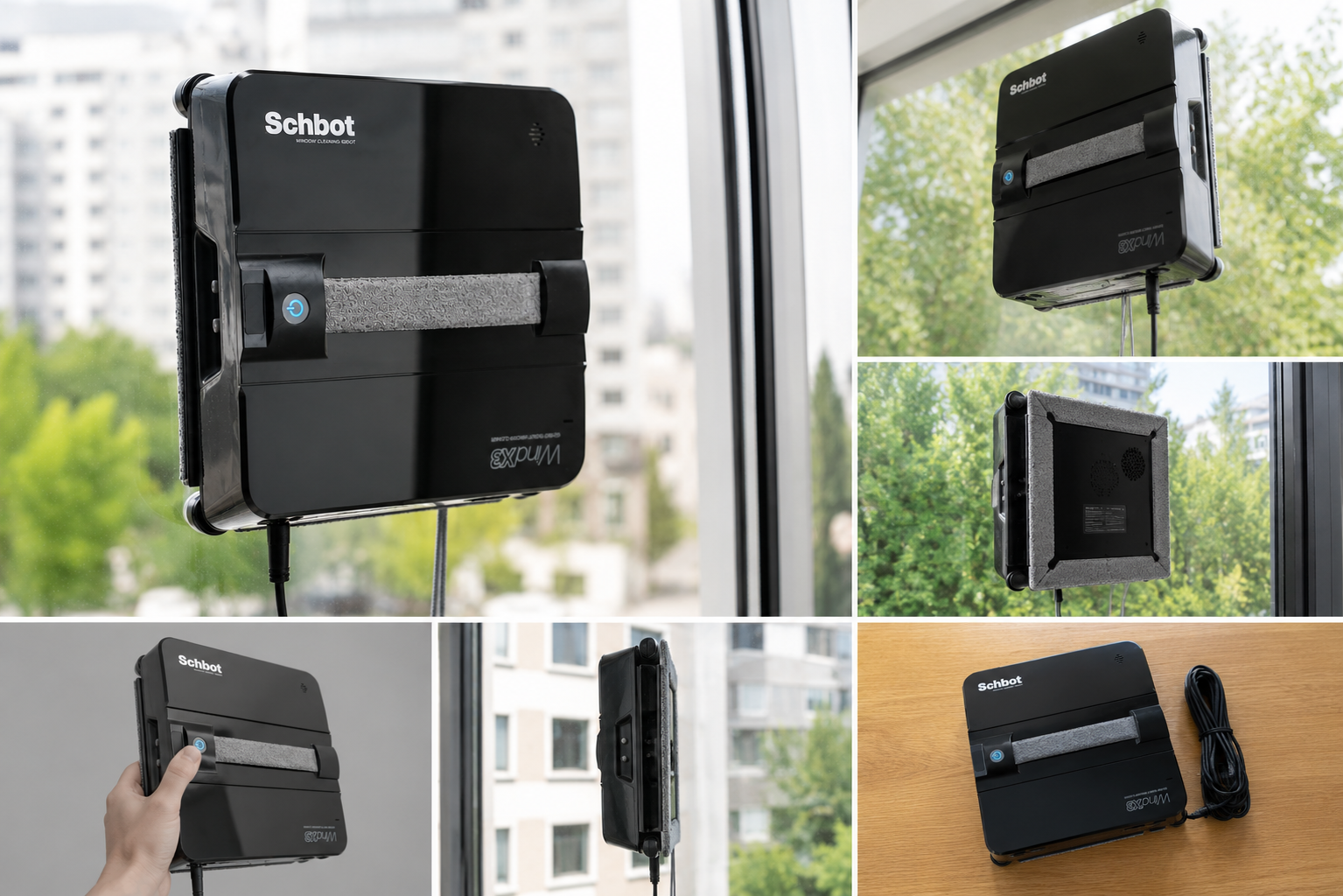
Build quality felt better than I expected. The shell is matte black plastic, slightly rubberized on the edges so it doesn’t scuff. The microfiber pads attach via Velcro, easy to swap. The water tank fills through a port on the top — 60ml capacity, which sounds tiny but is actually plenty for one window in my experience.
Here’s the part the listing buries: the safety rope is non-negotiable. It clips into the top of the unit, and you attach the other end to something solid before you put the robot on the window. If the suction fails for any reason — power blip, sensor misread, weird draft of air — that rope is the only thing between your $500 robot and the pavement. I keep mine attached to the grab handle inside the van. Some people on Reddit say they don’t use it on first-floor windows. Those people are gambling with $500 every cleaning cycle.
The 8-Stage Safety System: Does It Actually Work?
Short answer: yes, mostly. Long answer: let me explain what “8-stage safety system” actually means in plain English, because the marketing copy is useless on this point.
The robot uses suction to stick to glass. The motor pulls air out from under the body, creating negative pressure. If that motor stops, the robot falls. So the “safety system” is really about making sure the motor doesn’t stop unexpectedly. Here’s what’s actually happening, based on six months of poking at this thing:
There’s an internal battery backup that kicks in for about 20 minutes if the main power cable gets unplugged. There are edge sensors on all four sides that detect when the robot reaches a window frame or the end of a frameless pane. There’s an alarm that beeps if suction drops below threshold. The non-slip pads on the cleaning surfaces aren’t just for cleaning — they help the unit grip even when the suction is slightly compromised.
In six months I’ve had exactly one near-fall, and it was 100% my fault. I’d let the water tank run completely dry, then tried to start a new cycle without refilling, and the dry microfiber lost traction on a particularly dusty exterior window. The safety beep went off, the backup kicked in, and the unit hung there yelling at me until I climbed up and grabbed it. Annoying? Yes. Disastrous? No. Worked exactly as advertised.
How the Three Cleaning Modes Actually Differ
The Wind X3 has three modes — Quick, Spot, and Complete — plus the wet/dry distinction. The marketing material describes these in vague terms. Here’s what they actually do based on watching this thing operate for hours:
Quick mode does a single Z-pattern sweep across the window. Top-left to bottom-right in horizontal passes. Takes about 2 minutes for a 3’x4’ window. Use this for windows that aren’t super dirty — maintenance cleaning, basically.
Spot mode is the one I use most. The robot makes multiple passes over the same area, with extra concentration on whatever section you start it on. Good for problem spots, like that one corner of my driver-side rear window that always gets bug guts from highway driving.
Complete mode is the deep clean. It does the Z-pattern, then an N-pattern (vertical instead of horizontal), then sprays again and goes over everything once more. Takes about 6 minutes per window and uses a noticeable chunk of the water tank. I run this maybe once a month on each window.
Mode-switching is done via a button on the remote, not via app. There’s no app. No Wi-Fi. This is a robot that just cleans windows and doesn’t try to be smart about anything else, which I actually appreciate. My van already has too many things that want to connect to my phone. See Today’s Deal on Amazon
Real Performance: The Stuff Amazon Won’t Tell You
Let me get into the specific scenarios because this is where reviews usually fall apart.
On Framed RV Windows
Works great. Edge detection catches the frames consistently, and the robot pivots cleanly at each boundary. The 60ml tank handles two of my standard side windows on one fill. Streak-free results 95% of the time. The 5% where streaks appear is almost always because the pad needed replacing or I was using tap water with hard mineral content. Switch to distilled water and the streaks disappear.
On Frameless Glass (The Big Test)
This is what sold me on the Wind X3 specifically. The front and rear bay windows in my build are frameless — bonded directly to the body with no frame for the robot to register against. SCHBOT claims the edge detection handles this. Does it?
Mostly yes. The sensors work by detecting the change in surface beyond the glass edge. On a clean install with no obstruction, it nails it consistently. On the rear window where I have a window cling decal partially covering the bottom edge, the robot occasionally misreads and tries to step off. The safety system stops it, but it’s annoying. I peeled off the decal and the problem disappeared. Lesson learned.
On Vertical vs. Tilted Glass
Standard vertical windows: perfect operation. The rear hatch glass on my Sprinter, which sits at maybe a 25-degree angle when open: also fine. The robot maintains suction and follows its programmed path. I have not tested on glass tilted more than about 45 degrees because I don’t have any windows like that and I’m not climbing on a roof to find out.
On Dirty vs. Lightly Dusty Glass
Light dust and water spots: one Quick pass handles it.
Bug guts, road tar, and tree sap — which is what my windows look like after a month boondocking in lodgepole pine country — one Complete cycle gets most of it. Heavy spots need a manual pre-treatment with a spray bottle and a few minutes of dwell time before the robot can finish the job. This isn’t a flaw in the robot. No robot is going to scrub crusted-on pine sap with the same force a human with a Magic Eraser can. Set realistic expectations.
Comparison: Where the Wind X3 Sits in the Market
I’ve spent way too much time researching window cleaning robots, partly out of genuine interest and partly because I write product reviews now. Here’s how the Wind X3 stacks up against its main competitors.
The Ecovacs Winbot series is the established player. The W2 Pro is more polished, has a real app, and probably has better long-term software support. It also costs significantly more and the spray system is more complicated to maintain. If you’re cleaning the windows in a 4,000 sq ft house every weekend, the Winbot might be worth the premium.
The Hutt and Mamibot units are cheaper alternatives. Build quality is noticeably worse in person — I’ve handled both at a Costco roadshow last summer. The Hutt felt like it might rattle apart on the third use. Skip these unless your budget is extremely tight.
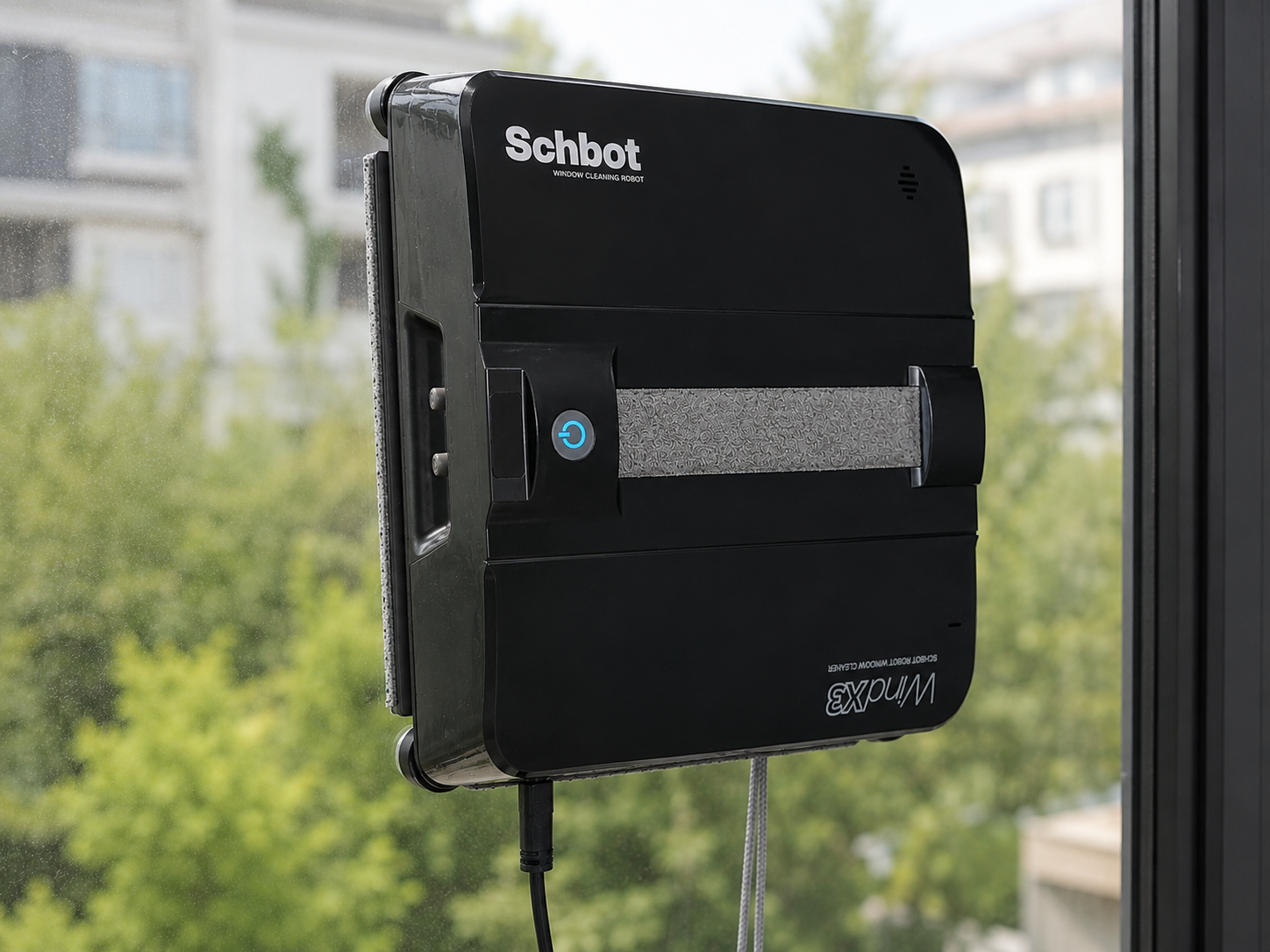
The Wind X3 sits in the middle. Better build than the cheap stuff, simpler than the premium stuff, and the spray system works without needing a degree to maintain. For my use case — a van with maybe 8 windows total, used regularly but not obsessively — it’s the right tool.
| Factor | Why It Matters | Wind X3 Performance |
|---|---|---|
| Suction Power | Determines reliability on vertical glass | Strong, no failures in 80+ uses |
| Spray System | Eliminates manual prep work | 4-nozzle system, even coverage |
| Edge Detection | Critical for frameless windows | 4 sensors, accurate 95%+ |
| Battery Backup | Prevents falls during power loss | ~20 min backup, sufficient |
| Pad Replacement | Ongoing cost factor | Standard size, cheap replacements |
| Warranty | Long-term confidence | 5 years from manufacturer |
What Annoys Me About This Robot
Things that genuinely bug me, no softening:
The power cable is too short. Six feet. Try cleaning a window 15 feet up. You need an extension cord, and now you’ve got cables dangling everywhere. Why this isn’t 15 feet standard, I have no idea.
The water tank fill port is small. I refill from a squeeze bottle because trying to pour distilled water from a gallon jug into a thimble-sized opening while balanced on a step stool is a recipe for soaked carpet.
No timer mode. I said earlier that I appreciate the lack of smart features. That’s mostly true. But I’d kill for a simple timer so I could start a window and walk away for exactly 5 minutes. As-is, you press start and you’re committed to either watching it or losing track of when it finishes.
The microfiber pads wear faster than expected. SCHBOT claims they’re reusable for many cycles. In my experience, “many” means about 15-20 cycles before they start streaking. The replacement 5-packs are reasonably priced, but factor in the ongoing cost.
The cleaning solution they include isn’t great. I tossed mine after the first month and switched to a 50/50 mix of distilled water and isopropyl alcohol with one drop of dish soap per fill. Streak-free, fast-drying, costs me about 30 cents a fill instead of $4.
Setup and First-Use Tips Nobody Mentions
Test it on a low window first. Like, three feet off the ground low. Get a feel for how the safety tether deploys, how the modes work, what the beep patterns mean. Don’t put it on your second-story bay window for its maiden voyage.
Use distilled water. I cannot stress this enough. Tap water in many areas leaves mineral streaks that make it look like the robot did a terrible job when actually it’s just hard water doing hard water things.
Pre-treat heavy stains. The robot is for general cleaning, not crime scene cleanup. If you have caked-on grime, hit it with a spray bottle and let it sit for two minutes before running the robot.
Keep the sensors clean. There are four little optical sensors on the corners. They collect dust and grime over time, which causes false edge detections. Wipe them with a dry microfiber every few uses.
Charge fully before the first run. Mine arrived at about 40% battery. Running a full cycle on partial charge worked fine but I noticed slightly weaker suction. Full charge = full performance.
Should You Actually Buy This?
Van lifers and RV owners: Yes, especially if you have large frameless windows. The time savings are real, and the angles you can reach without contorting yourself are a meaningful safety upgrade. I’d buy it again.
Apartment dwellers with normal windows: Probably overkill. A squeegee on a pole costs $20 and works fine for most apartment windows. Only buy this if you have specific accessibility issues or you genuinely hate window cleaning.
Homeowners with lots of glass: Yes, especially second-story windows or anything tall. The Wind X3 is good value for the price. If money is no object, look at the Winbot W2 Pro, but this will do 90% of what the more expensive options do.
Commercial cleaning operations: Probably not. You need something more rugged with better service options. This is a consumer-grade product.
Buying it as a gift: Make sure the recipient actually has windows that justify it. Don’t gift this to someone with a studio apartment and three small windows. They’ll be polite about it but they won’t use it.
Long-Term Durability After Six Months
Motor still pulls full suction, no degradation I can measure with my unscientific listen-for-changes method. Battery still holds a full charge through three cycles. The plastic shell has a few minor scuffs from being knocked against window frames, nothing structural. Microfiber pads have been replaced twice — about every two months of regular use.
The one thing that’s developed wear is the water nozzles. They started clogging slightly around month four, probably from mineral buildup despite my distilled water religion. Soaking the unit’s underside in a 50/50 vinegar-water solution for 20 minutes restored the full spray pattern. I do this preventatively every two months now.
My van lifestyle is rougher on equipment than home use would be — temperature swings, vibration from driving, occasional drops when I’m clumsy. The Wind X3 has handled it without complaint. A typical home user should get even longer life out of it.
A Few Questions People Actually Ask
Can it clean both indoor and outdoor windows? Yes. The robot doesn’t know which side of the glass it’s on — it just cleans whatever surface it’s stuck to. The only practical limitation is the power cable, so for outdoor use you need either a long extension cord or window access from inside to manage the cable.
How long does the battery last during a power outage? About 20 minutes of backup operation. Enough to finish an in-progress cycle and get back down to the bottom of the window safely. Don’t rely on it as primary power for long sessions.
Does it work on tinted windows or windows with film? Yes, with one caveat. The suction system doesn’t care about tinting, but window films with bubbles or peeling edges can confuse the edge sensors. Make sure your film is properly applied with no defects.
Is the 60ml water tank really enough? For one to two standard windows, yes. For larger projects you’ll need to refill. I keep a small squeeze bottle of cleaning solution next to my charging station so refills take about 15 seconds.
What’s the warranty situation? SCHBOT offers a 5-year warranty, which is longer than most competitors. I haven’t needed to test it, but their customer service responded quickly when I emailed a sensor question.
Kids and pets around while it’s running — safe? The robot is on the window, not the floor, so it’s not in your dog’s path. Just don’t let kids yank on the tether while it’s operating. That can compromise the safety system.
Internal and External Resources Worth Checking
If you’re new to window cleaning robots, the SCHBOT official product page has detailed spec sheets that go deeper than the Amazon listing. Reddit’s r/vandwellers has scattered threads about window cleaning solutions in mobile dwellings — worth searching if you want non-commercial perspectives.
For more van life product reviews and cleaning tips, check out my related posts on van interior maintenance, RV window maintenance schedules, and budget-friendly mobile cleaning gear.
The Wind X3 is a solid, focused product that does one thing well. The cable is too short, the pads wear faster than advertised, and the lack of app integration is either a feature or a bug depending on how you feel about smart devices. But it cleans windows better than I can, in places I can’t safely reach, and it does it reliably enough that I’ve stopped thinking about it as an experiment and started thinking about it as a tool.
Six months, 80-something cycles, multiple window types, one safety scare that turned out fine. That’s enough for me.
Just buy distilled water. And read the part about the safety tether.
See Today’s Deal on Amazon Affiliate Disclosure: This post contains Amazon Associates links. If you purchase through these links I earn a small commission at no additional cost to you. I bought my own Wind X3 with my own money before being part of the Amazon Associates program for this product. Opinions are honest and based on actual long-term use, not on commission incentives.