I’ve been looking at the ECOVACS WINBOT W2S Omni specs, and the first thing that stands out is the base station. Most window robots are a suction cup with a cable. This one ships as a 6-in-1 multifunction station, which changes where you store it, how you power it, and what you have to do between windows. Anyone weighing the ecovacs fensterputzroboter winbot w2s omni reviews out there is usually trying to work out one thing: is the station worth the premium over a bare robot, or is it a $599.99 answer to a problem a squeegee already solves. This article works through the mechanism, the practical limits, and the buyers it fits.
Contents
- What the 6-in-1 Station Actually Changes
- How the Robot Sticks, Moves and Cleans
- Windows It Handles and Windows It Doesn’t
- ECOVACS WINBOT W2S Omni vs the Alternatives
- The Cost of Ownership Beyond $599.99
- Who Should Buy This and Who Shouldn’t
What the 6-in-1 Station Actually Changes
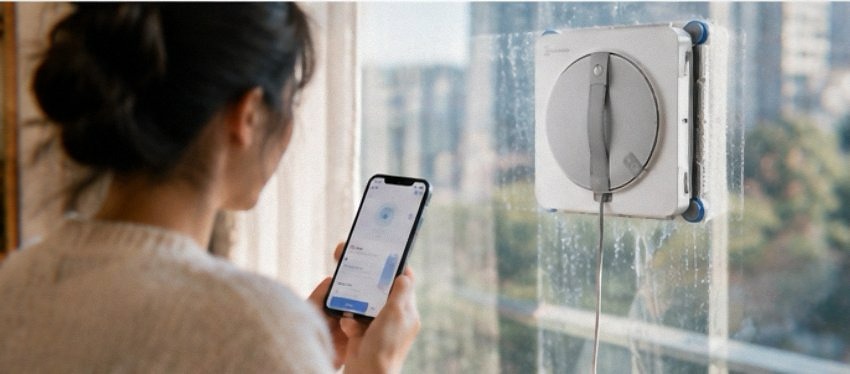
The station is the reason this model exists as a distinct product rather than another entry in the WINBOT line. ECOVACS describes it as multifunction, and the practical reading is that it consolidates several jobs that used to be scattered across separate accessories: power supply, cable management, cleaning fluid or water handling, and storage for the robot itself. Instead of a loose tether and a bucket, you have one object that lives somewhere in the house and gets carried to the window.
That matters more than it sounds. A window robot’s real friction isn’t the cleaning cycle, it’s the setup and teardown. Anything that shortens the gap between deciding to clean a window and the robot being on the glass is the difference between a tool you use twice a year and one you use monthly.
What the station does not do is clean for you. You still position the robot on the glass, you still initiate the cycle, and you still move it between panes. The 6-in-1 label describes consolidation, not autonomy. If you were hoping for something that climbs out of a cupboard and handles the whole house, this isn’t that product and no window robot at this price is.
How the Robot Sticks, Moves and Cleans
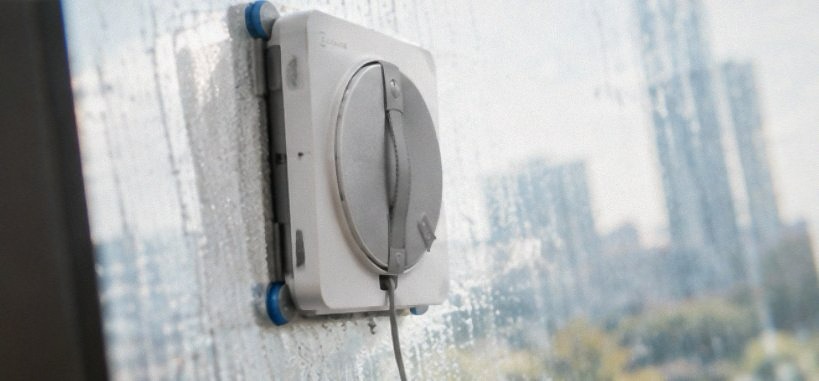
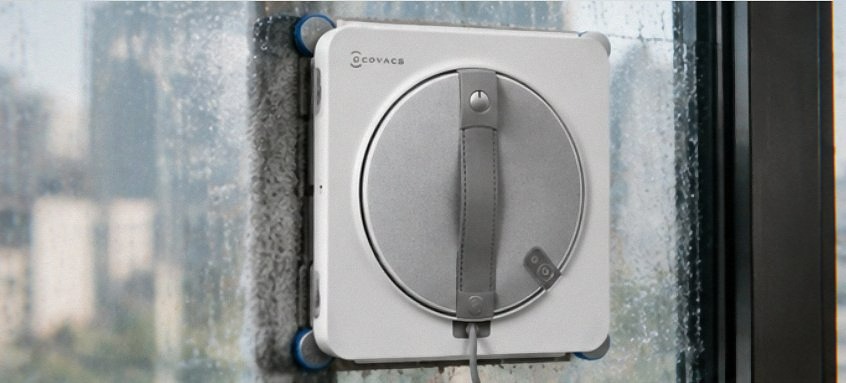
Window robots in this class work on vacuum adhesion. A pump pulls the unit against the glass, and drive tracks or wheels move it across the surface while a microfiber pad wipes behind. Lose suction and the unit detaches, which is why every manufacturer in this category builds in a safety tether as a backstop.
The adhesion and safety system
The WINBOT family has historically relied on a combination of vacuum grip and a physical safety line, and I’d expect the W2S Omni to follow the same logic. The tether is not a sign the product is unreliable; it’s the standard engineering answer to a failure mode that would otherwise mean a robot falling from a third-floor window. Treat the tether as mandatory, not optional, and check the anchor point before every run.
Edge detection and pathing
Getting close to the frame without grinding against it is the hard part of glass cleaning, and it’s where cheaper units show their limits. ECOVACS has been building this category long enough that edge detection is a mature feature rather than a novelty, but the honest position is that no window robot handles every frame geometry equally well. Deep recessed frames and thick rubber gaskets are the usual trouble spots across the category.
What the cleaning pad does and doesn’t remove See Today’s Deal on Amazon
A microfiber pad on a moving robot handles dust, pollen, water spots and light film well. It does not handle dried bird droppings, hardened tree sap, paint overspray or construction residue on a first pass. Those need a pre-soak or a manual scrape first. Anyone whose windows face a road, a building site or heavy tree cover should expect to do a manual pre-clean on the worst panes regardless of what robot they buy.
If you want to check the current configuration and what ships in the box, the listing for this model lays it out.

Windows It Handles and Windows It Doesn’t
This is the section that decides whether the product works in your house, and it’s the one most buyers skip.
Good candidates: large fixed panes, floor-to-ceiling glass, conservatory roofs at accessible angles, balcony glazing, and any window where reaching the outside means leaning out or unclipping a screen. Size is your friend here. The bigger the uninterrupted glass, the more the robot’s cost per square metre of effort drops.
Poor candidates: small divided-light windows with muntins every 30 cm, leaded or heavily textured glass, and anything with a deep recessed frame. On a Georgian-style facade with twenty small panes, you’ll spend more time repositioning than cleaning. The robot doesn’t fail on those windows, it just stops making sense.
The ones that need a caveat: very large panes above roughly the 2 m mark, or anything you can’t safely reach to place the unit and retrieve it. Adhesion is one problem; the human standing on a ladder to mount the robot is a bigger one. If the window is only reachable via a ladder, the robot has moved the risk rather than removed it.
If you buy through a link on this page I may earn a small commission. It does not change what you pay.
ECOVACS WINBOT W2S Omni vs the Alternatives
Two names come up constantly for anyone considering this purchase: the bare WINBOT models ECOVACS sells below the Omni, and the HOBOT line, which is the other established player in window-cleaning robots. I’m not going to quote competitor prices or specs I can’t verify on the day you read this, but the shape of the decision is stable.
| Consideration | WINBOT W2S Omni | Bare robot (no station) | HOBOT-class unit |
|---|---|---|---|
| Setup footprint | One station, consolidated | Loose cable and separate supplies | Varies by bundle |
| Storage | Dedicated home for the unit | Wherever it fits | Varies |
| Price position | Premium | Lower | Mid to premium |
| Best for | Regular use, multiple windows | Occasional single-pane jobs | Buyers comparing adhesion systems |
The honest read: the Omni’s premium buys organisation, not cleaning power. If you’ll clean four windows twice a year, a bare robot does the same job for less and you can live with a cable in a bag. If you have a lot of glass and you want the thing to have a permanent place in the house, the station earns its money.
The second comparison worth making is against a squeegee and a pole. That’s not a joke. For a single-storey house with standard windows, a decent squeegee costs a fraction of $599.99 and takes about the same time on a reachable pane. The robot wins specifically where reach is the problem, not where cleaning is.
The Cost of Ownership Beyond $599.99
Nobody mentions the running costs, so here they are.
Pads. Microfiber cleaning pads are consumables. They clog, they lose absorbency, and they need washing after heavy use. Budget for replacements over the life of the unit.
Cleaning solution. Depending on what the station uses, you’ll either refill with water or with a proprietary solution. Proprietary consumables are the quiet tax on any cleaning appliance, and it’s worth checking what the fluid situation is before you commit.
Storage. The station takes up real space. It’s not a drawer item. You need a cupboard shelf or a utility corner with a power point nearby.
Time. Setup per window still exists. The station shortens it, it doesn’t eliminate it. On a house with fifteen windows, plan on a session, not a five-minute job.
The failure mode. Glass adhesion depends on a clean, dry, intact surface. Chipped glass, heavy condensation or a greasy film reduces grip. You’ll want to wipe the pane and check the seal before running the unit, especially on exterior glass that’s been rained on.
Who Should Buy This and Who Shouldn’t
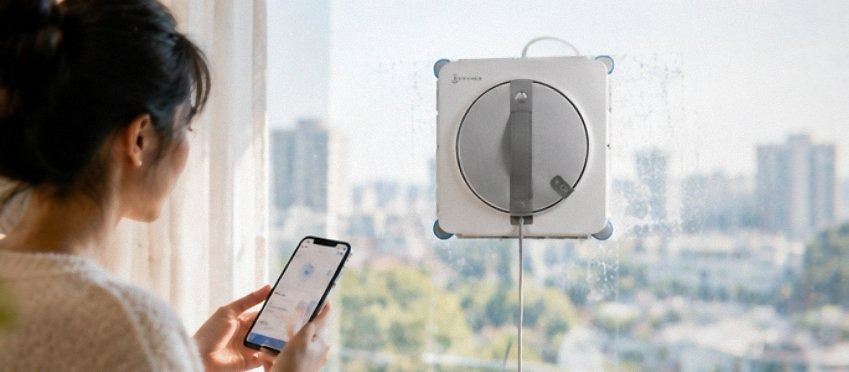
The WINBOT W2S Omni makes sense for a specific buyer: someone with a lot of glass they can’t safely reach, who cleans windows often enough that a permanent station is useful, and who accepts that pads and fluid are ongoing costs. Conservatories, glazed extensions, upper-floor apartments with fixed panes and balcony glazing are the natural fits. If that’s your house, the $599.99 is buying reach and consistency, and the station is the part that keeps it in rotation rather than in a cupboard.
Spend less if you have a single-storey home with reachable windows, or a handful of small panes. A bare robot or a pole and squeegee covers that ground for less, and the station premium does nothing for you when the glass is already within arm’s reach.
Before ordering, check two things: the geometry of your worst window, because deep recessed frames and small divided panes are where these units struggle, and what consumables the station requires, because that’s the recurring cost. The current price on Amazon is worth confirming at the time you buy, since this category moves.See Today’s Deal on Amazon
It’s a well-organised answer to a real problem. It just isn’t an answer to every window.
See more rankings of theBest Window Cleaning Robot